Cofa began by rethinking hiring for the AI era.
Can an AI-generated result tell us how capable the person behind it is? Cofa began with this question inside KRAFTON. As AI spread beyond research and game development into everyday work, the output alone could no longer reveal a person’s judgment and contribution.
Krafton’s AI Frontier division wanted to understand how people work with AI, not simply how often they use it. What do they delegate? Which answers do they question? What do they verify themselves? These decisions explain why people using the same tools achieve different results.
We began building assessments that examine both the outcome and the process through tasks grounded in real work. We interviewed practitioners, designed tasks and tested them repeatedly. Cofa brings that experience to talent discovery and skills assessment.


To find answers, we went to the people doing the work.
Rather than impose a framework on practitioners, we visited them. We listened to the problems they solve, the decisions their work requires, and what separates a convincing result from an incomplete one.
Those conversations shaped the tasks. Through repeated testing, we refined them to reflect real work and reveal the choices and checks a candidate makes. We connected workplace problems to practical tasks, then connected observable behavior to assessment criteria.

Beyond what AI creates, we look at how people lead the work.
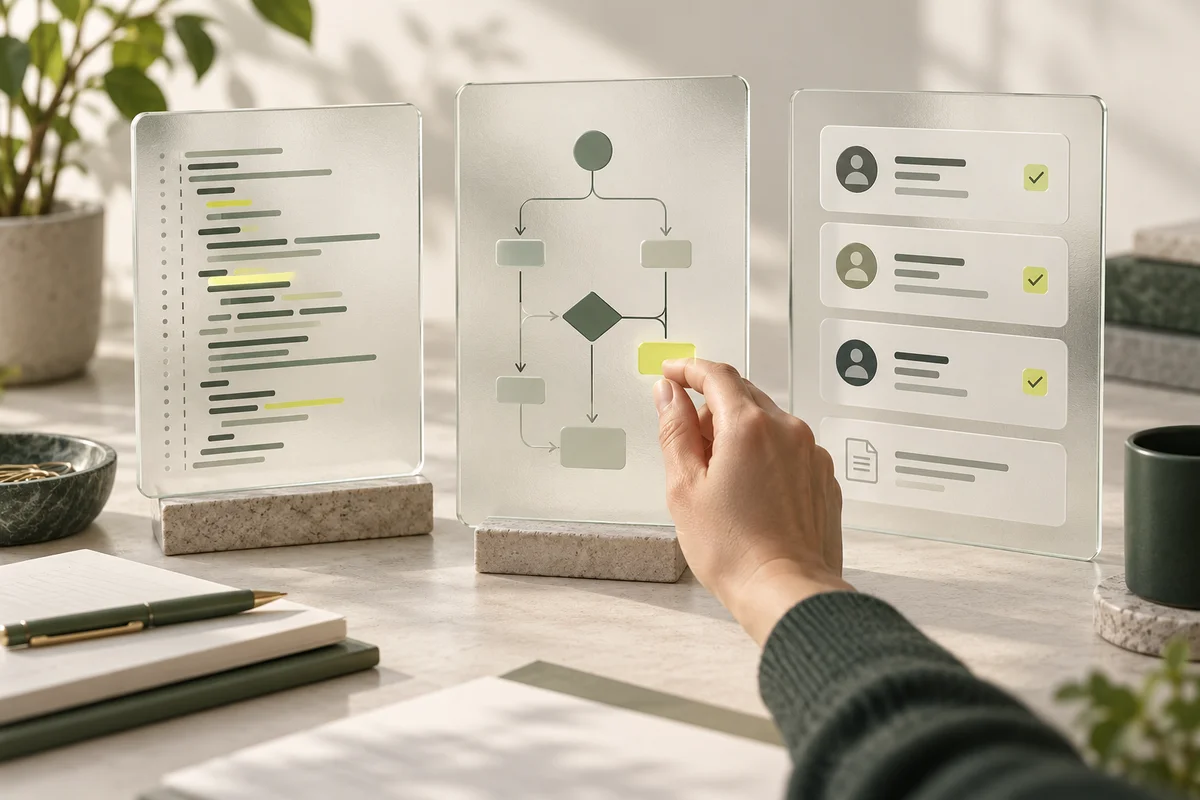
Cofa examines both the deliverable and the process. We check whether the result works, review prompts and work records for goals and verification, and ask candidates to explain their own implementation and its limits.
We organize this view into technique, intent and cognition. Scores matter, but so does the evidence behind them. Shaped by practitioner interviews and internal validation, Cofa now extends to KRAFTON’s internal hiring and joint hackathon assessments.
Probe is currently designed around the practical skills of AI Native Engineers. We are also extending the tasks and assessment approach to the work contexts and outputs of non-engineering roles.